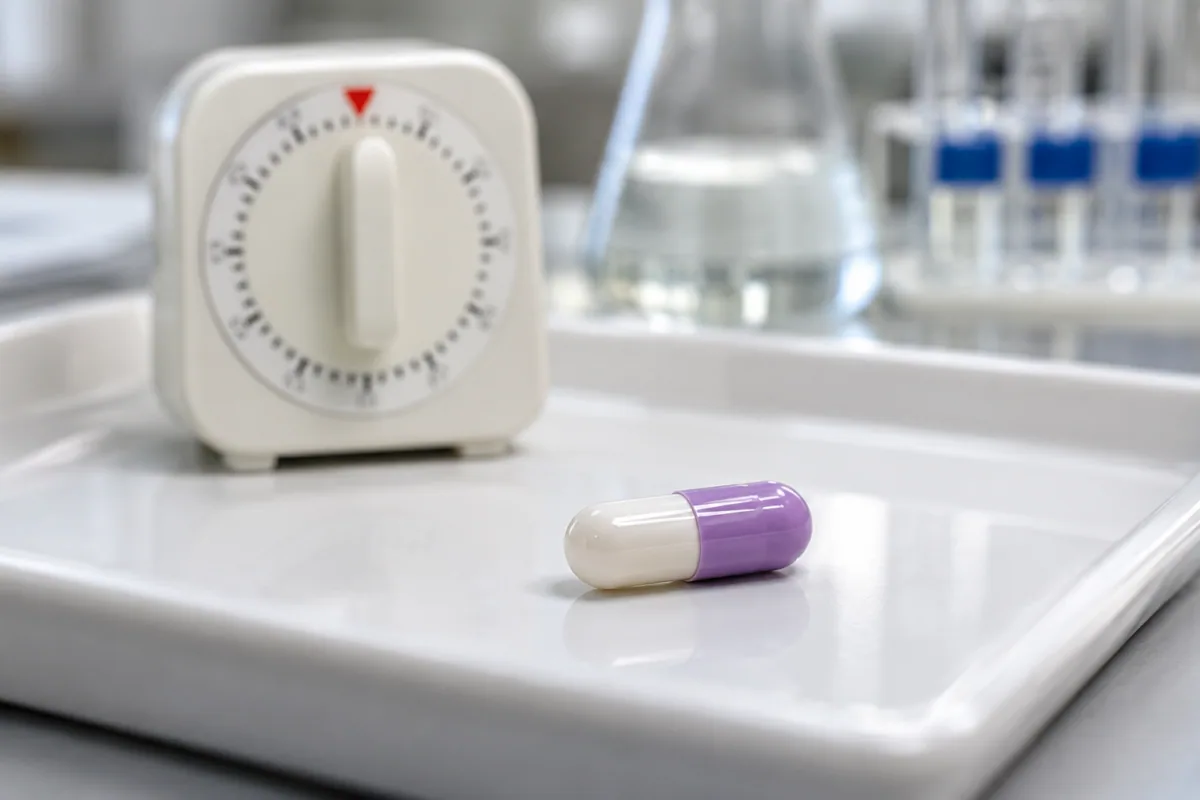
OR–14 / Timed oral
The overnight window
Can release wait through the stomach and begin before dawn?
Bench test: delay consistency
Exploring where, when, and how a dose is delivered.
Explore the science
The route is part of the product.
Dose-form design starts with three practical facts: where medicine needs to arrive, when it should appear, and what the person taking it must carry. A dose can dissolve, drift, settle, stall, or leave too soon.
Three formulation concepts, each framed around a practical delivery question. They are not clinical results.
OR–14 / Timed oral
Can release wait through the stomach and begin before dawn?
Bench test: delay consistency

LD–22 / Local depot
How long can a small depot remain close to its intended site?
Bench test: release geometry

BF–08 / Buccal film
Can a thin film disperse without water or preparation steps?
Bench test: handling under stress
Formulation begins after the molecule is chosen and before a person is expected to live with it.

Define the tissue, surface, or compartment that should see the medicine.
Place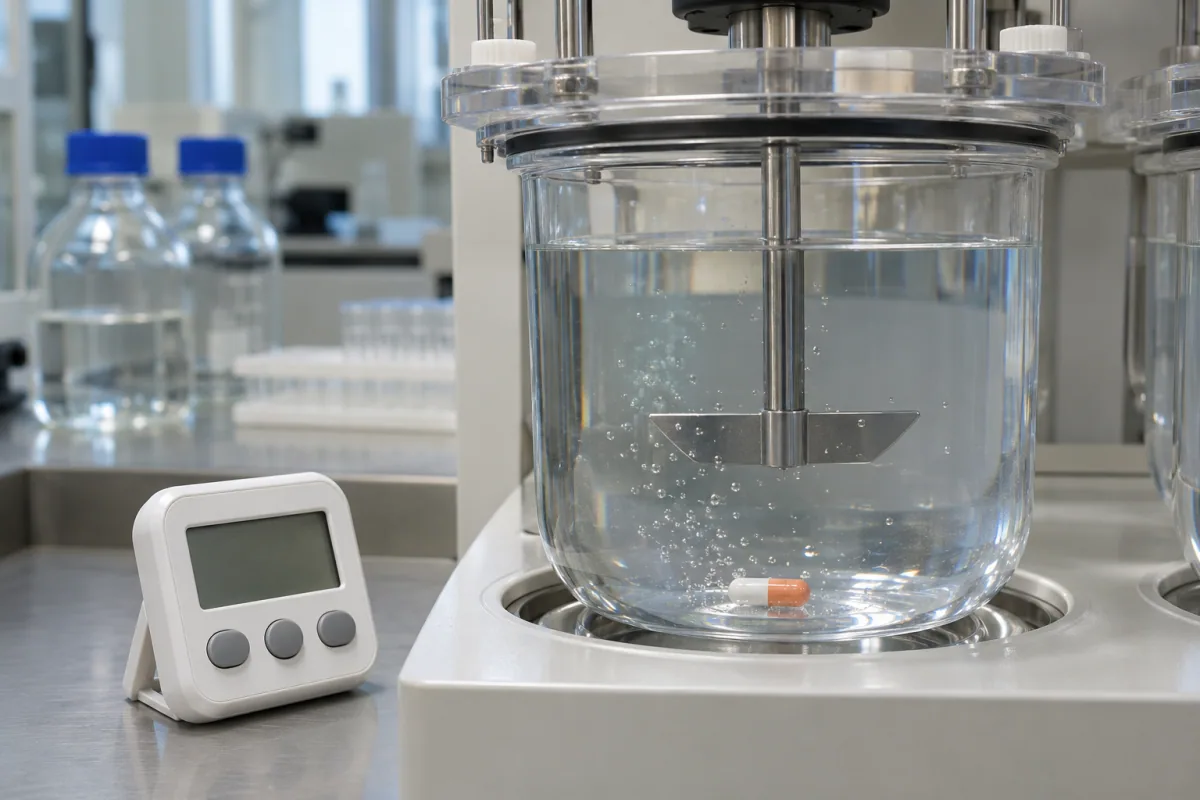
Shape onset, duration, and clearance around the use case.
Pace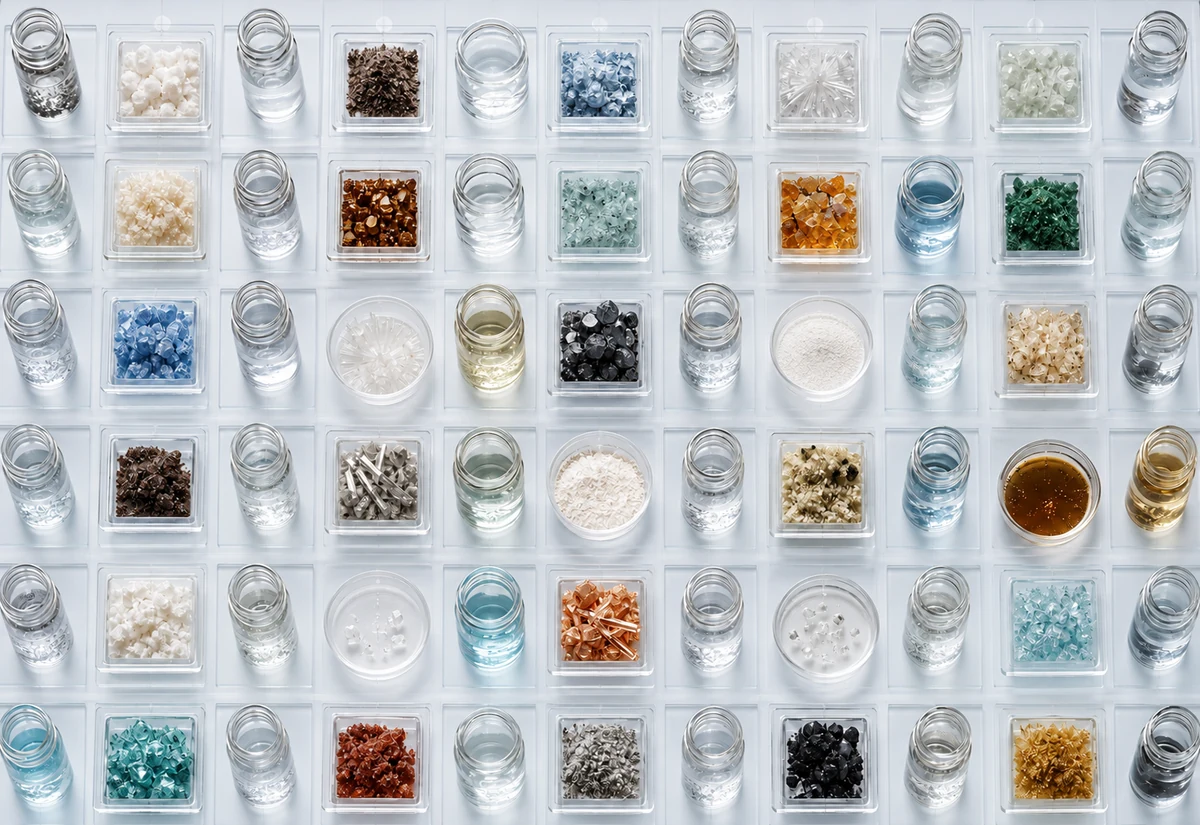
Reduce volume, handling, and inactive material where possible.
Load
Consider storage, preparation, administration, and recovery from a missed dose.
Routine
Explore how storage, temperature, and handling could change the material.
Stability
Compare preparation runs to see whether the material behaves the same way.
ConsistencyStart with a delivery problem, build a small concept, and use each experiment to decide what to try next.

Where should the dose arrive? When should it release? What could make it difficult to use?
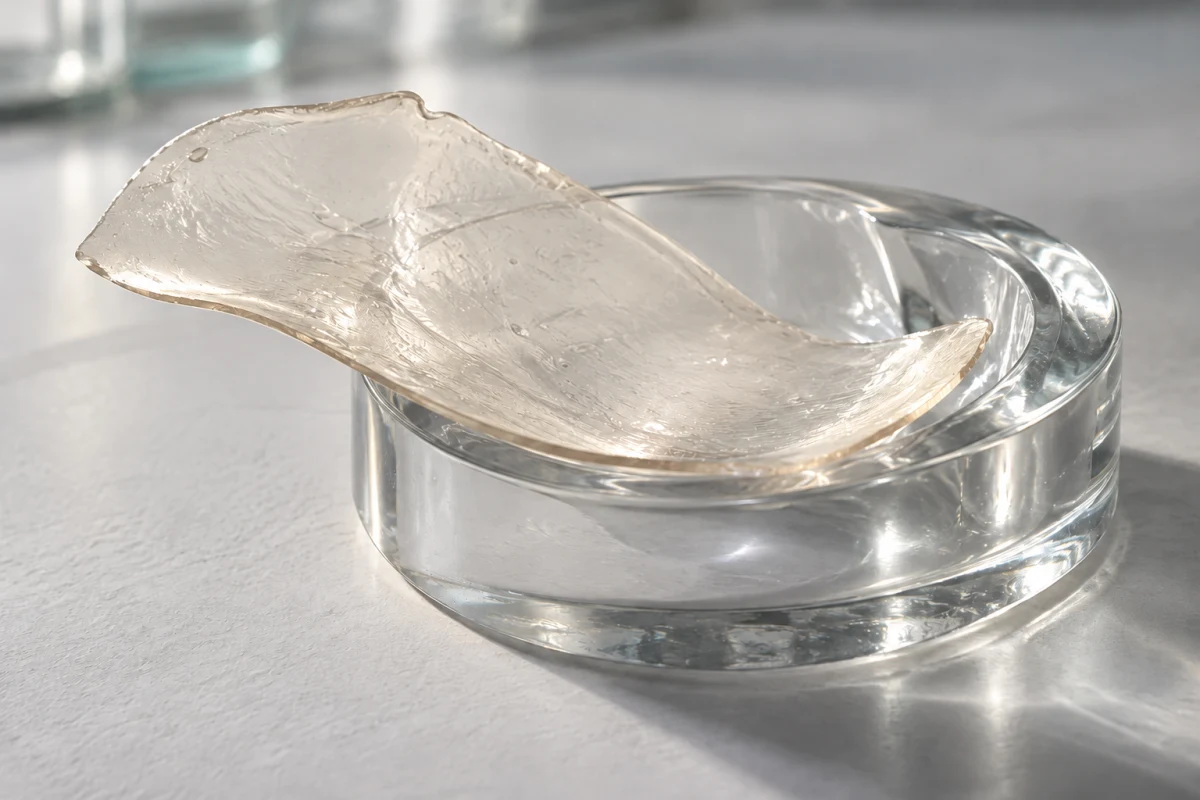
Choose a material or dose form, then make a small prototype to explore the idea.

Observe how the prototype holds together, releases its contents, or stays in place in a model setup.
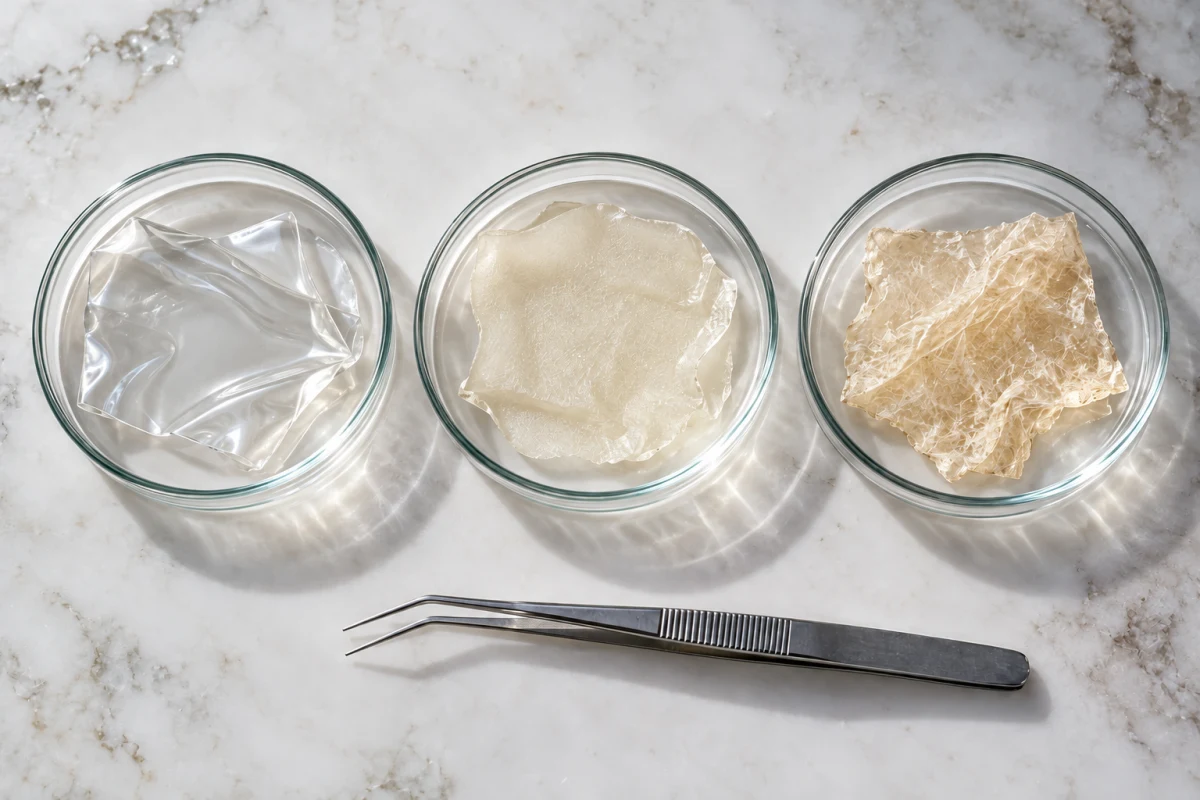
Use what the model reveals to adjust the formulation and define the next experiment.
The practical moments around a dose shape the research brief, from where it is kept to how it fits a routine.
What might storage, transport, and handling ask of the person using it?
How many steps, tools, or instructions would be needed before use?
What would timing and repeat use mean in an ordinary day?
